
Even if you haven't found your one true love in life yet, you can still experience having someone there by your side 24/7 by getting a dog. They're called "a man's best friend" for a reason, and they can genuinely light up anyone's life instantly.
Many soon-to-be pet owners have trouble choosing what dog breed they would go for since there are a ton, and there are even some unique breeds that some countries never heard of. Let's check out the most uncommon dog breeds there are, and we're sure the photos here would put a smile on your face. 
Tibetan Mastiff
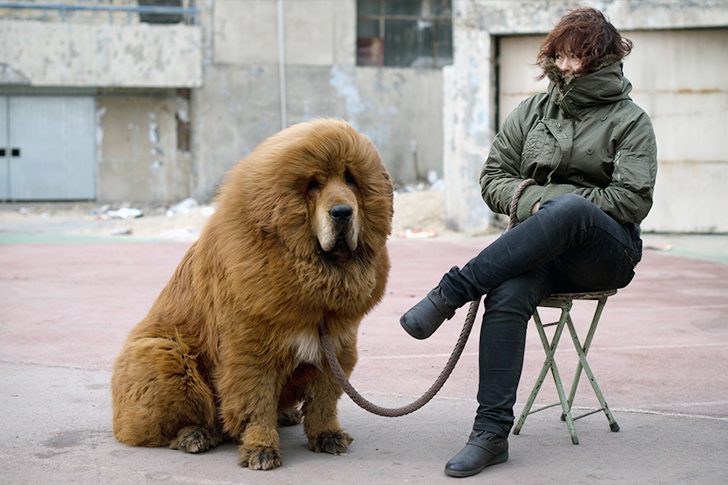
The Tibetan Mastiff is a dog breed from Tibet that comes in medium to large sizes. They have a long double coat, and it quickly sheds odor and dirt. You'll see black and tan, solid black, deep red, bluish-gray, and pale gold versions of this dog.
People from Tibet used them as flock guardian dogs. They aren't the best choice for apartments, for they need a spacious yard for activity. They love sleeping during the day and are most active at night. They have a maximum lifespan of 16 years, and are prone to developing hypothyroidism.
Leonberger
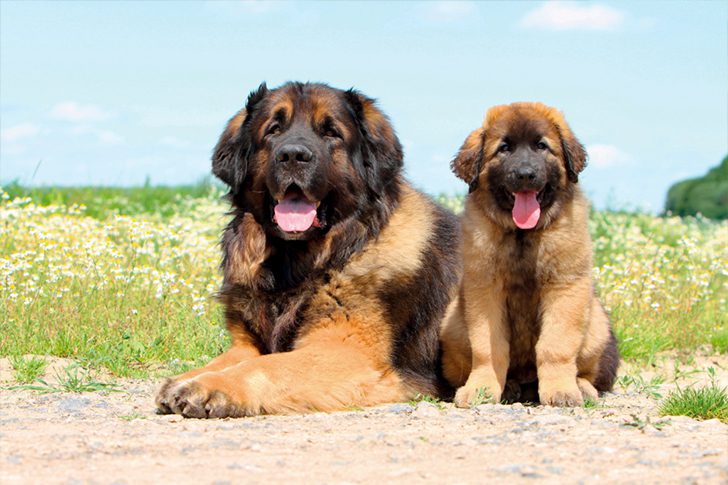
At first glance, you might think the Leonberger is a teddy bear because of how fluffy and cute they are. They are muscular and large dogs that have a generous double coat. When you buy a puppy, it would immediately melt your heart, but they grow up to become even more adorable.
Their faces often have a black mask, and their bodies are a mixture of black and different shades of brown. Leonbergers get their name from a city of Germany with the same name. They are pretty intelligent, so they make perfect search-and-rescue dogs.
Cane Corso
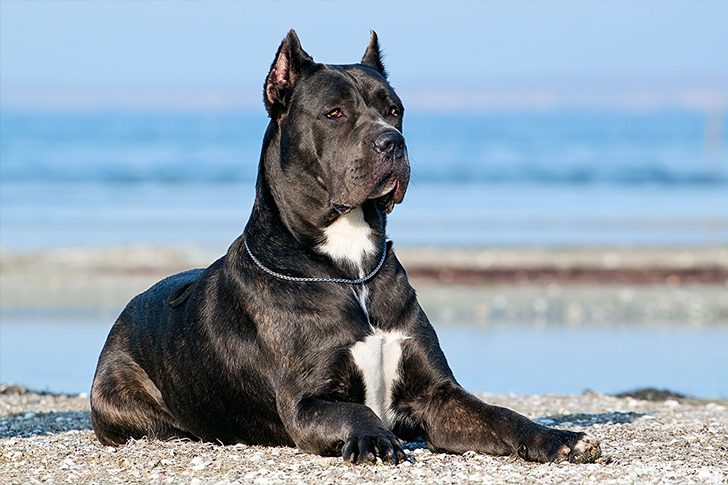
For people who get their earnings from owning livestock, the Cane Corso is a breed that can serve as a guard dog. People used them to herd cattle, and some even got to hunt big games, a wild animal, in the past.
They have strong muscles and big heads. They're often black, but they could also come in grey or fawn. Their chests, noses, or feet could also feature some white markings. Some Cane Corsos have cropped ears, but others have longer uncropped ears. These dogs live for an average of 9.3 years.
Thai Ridgeback
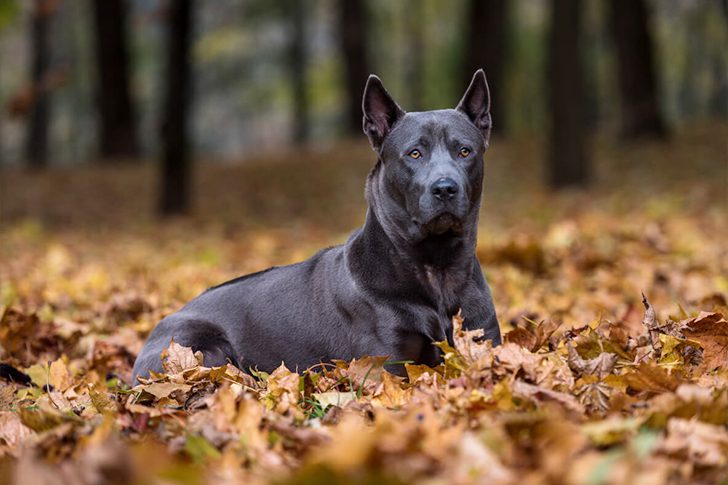
As their name already gives it off, the Thai Ridgeback is from Thailand. One of its unique attributes is a ridge of hair in their backs that grow in the opposite direction. They have a short and hard coat, so they only go through minimal shedding about once or twice per year.
You will get to keep them for many years since they are overall healthy dogs. The Thai Ridgeback is an intelligent dog breed that makes great pets for families. They're protective of their owners, but sources say they aren't the best choices for those who will take care of a dog for the first time.
Puli
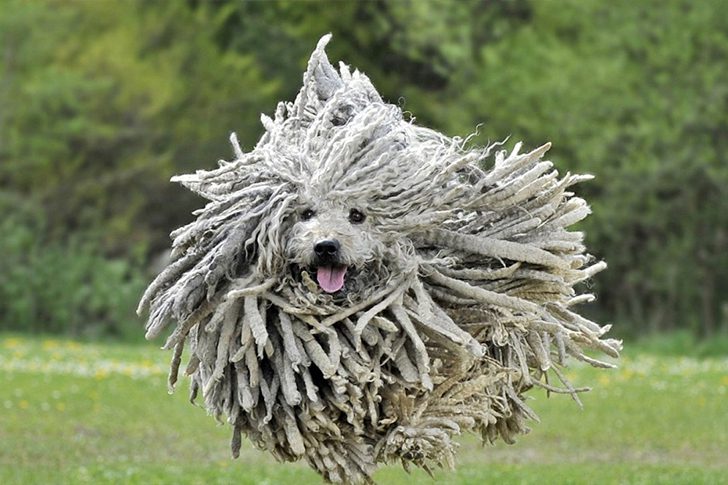
Pulis are the dogs that look like they have dreadlocks because of their corded coat. Most of them are black, but some are cream, gray, or white. A controlled matting process is the main reason they have such a unique coat.
They are active and intelligent dogs, but they still need to go through obedience training at a young age. You can keep Pulis in the city if you give them ample time to exercise. Even if they look bulky, they can run pretty fast and even compete in athletic trials.
Neopolitan Mastiff
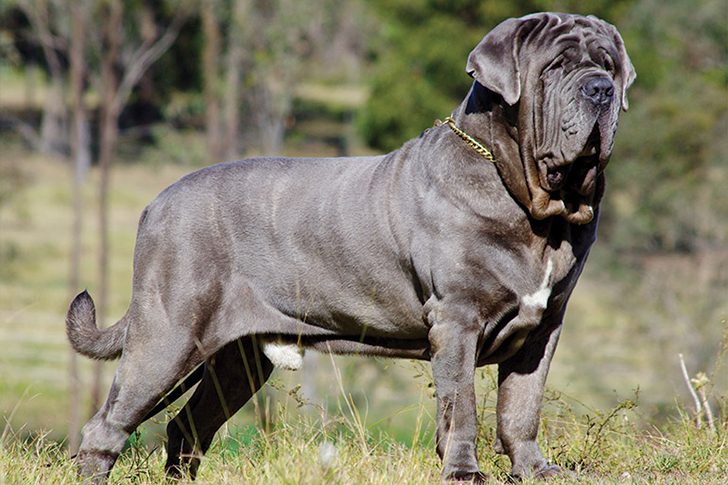
Neapolitan Mastiffs are large dogs that are descendants of Central Italy's traditional guard dogs. The Ente Nazionale Della Cinofilia Italiana officially recognized it as a dog breed in the late '40s, and then the Fédération Cynologique Internationale fully accepted it seven years later.
They have loose and abundant skin, and their heads have many wrinkles. The Neapolitan Mastiff's average lifespan in the United Kingdom reached about seven years, but they can live up to ten years. They come in colors like leaden, grey, black, fawn, mahogany, dove-grey, isabelline, and hazelnut.
Catahoula Leopard Dog
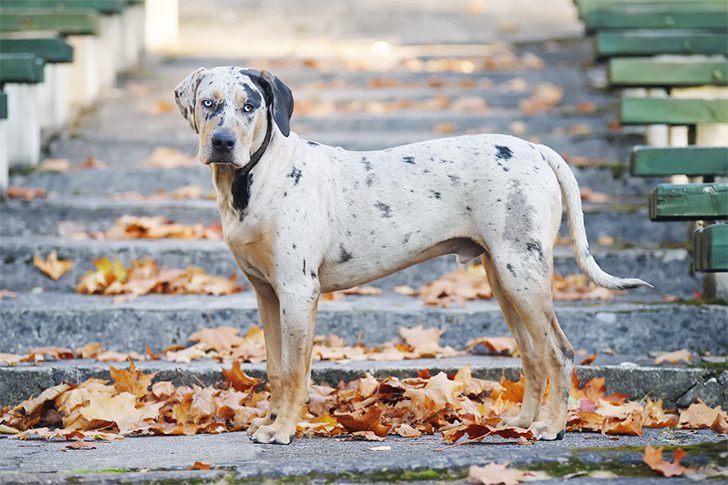
The Catahoula Parish is a place in Louisiana that served as the inspiration of the dog breed called the Catahoula Leopard Dog. They can hunt small animals like squirrels and raccoons, but they also have the strength to go after bears, mountain lions, and deers.
They have a powerful sense of smell, so they can become search and rescue dogs. They are prone to genetic defects like deafness because of their melanocytes deficiency. The Catahoula Parishes with parents who are both colored merle has a 25% probability of becoming blind, dead, or both.
Bergamasco Sheepdog
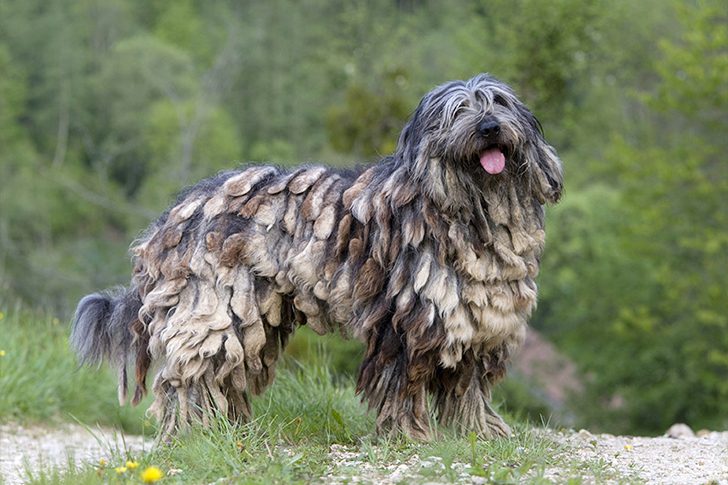
The Bergamasco Shepherd stands out from most dog breeds because of its overall rustic look. You would instantly get drawn to its matted locks formed from its long and thick coat. It serves as their makeshift winter clothes to protect them from intense weather.
This dog breed initially got discovered at Alpi e Prealpi Bergamasche, and people often used it to herd cattle and sheep. The Bergamasco Shepherd first appeared on the national breed registry of Italy in 1891, but they already took part in a dog show in Milan ten years prior.
Schipperke
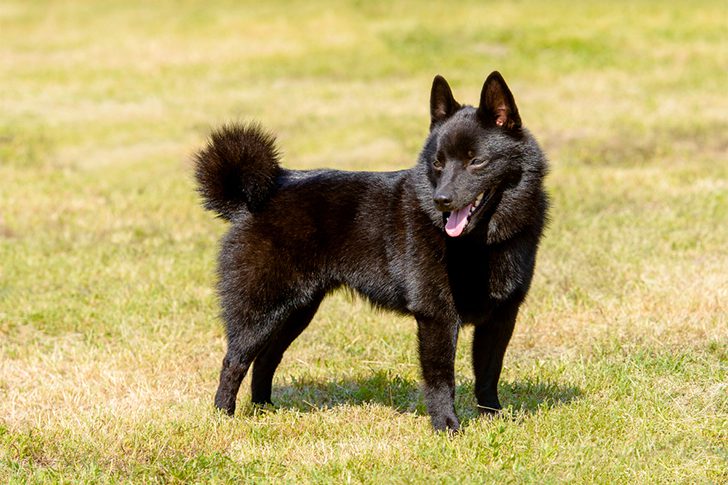
Some think the dog you see in the photos above is a miniature sheepdog or a spitz, but this type of dog is called a Schipperke. They hail from Belgium, and the people who see them consider them to be miniature shepherds.
These dogs look fluffy because of their soft undercoat and long overcoat. Their small pointed ears and longer ruff around the neck are what distinguishes them from other breeds. You can expect them to live for at least 13 years, and they rarely get any severe health issues.
Basenji
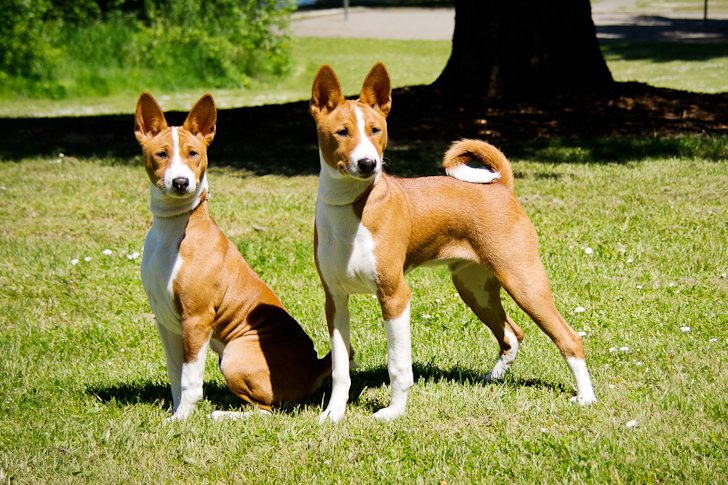
A Basenji might look cute and harmless, but they are hunting dogs. They originated from central Africa, and one of their most unique attributes is their larynx that allows them to give off a yodel-like sound. Their yodeling is out of the ordinary, so people call them the barkless dog.
They have distinct wrinkles on their forehead, so you might think they're always confused about what's happening. These dogs can easily get attached to one person, but they tend to get shy when strangers are around. Basenjis won't be the best choice if you have other non-canine pets in your home.
Bedlington Terrier
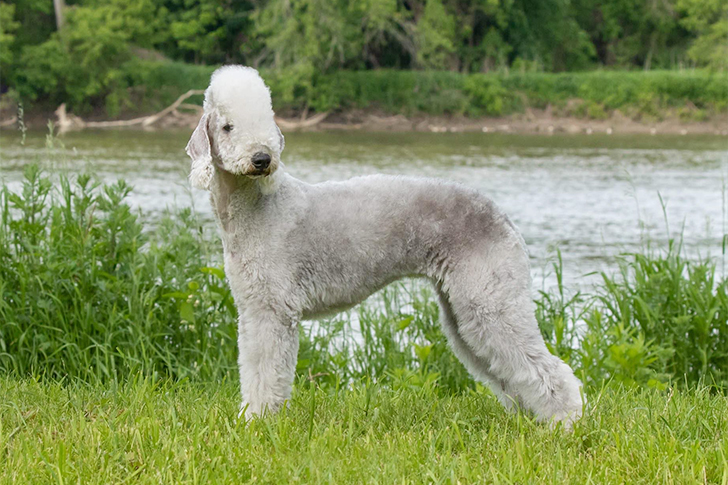
Another dog named after a place is the Bedlington Terrier. Its name comes from the mining town in Northumberland, England. Breeders initially meant for them to become hunters, but people discovered that they were great for dog sports and dog racing.
They have high endurance and are excellent at swimming. If there were a hairstyle competition among dog breeds, they would be among the winners because they have a stylish top knot. Bedlington Terriers stay healthy for most of their lives, but some tend to get copper toxicosis.
Skye Terrier
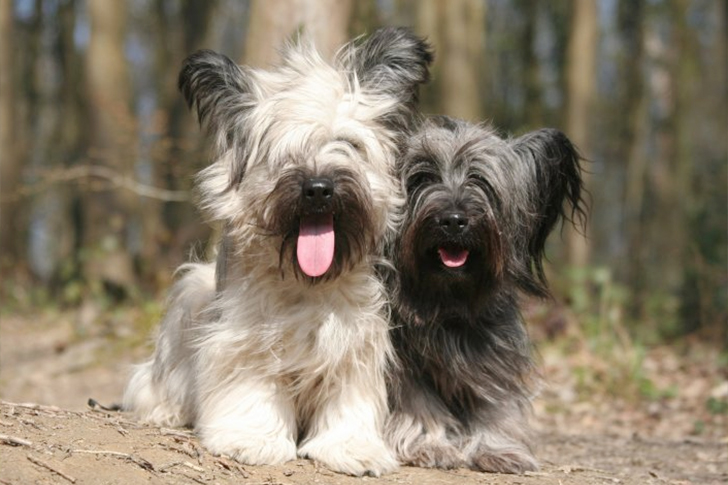
In the United Kingdom, people consider the Skye Terrier among the most endangered native dogs in the area. Their undercoats are soft and short, while their topcoats are straight and hard. The hair they have around their mouth makes them look like they have a beard.
Since they are hunting dogs, they love heading out daily and exploring different areas. Owners of the Skye Terrier have to take their dogs for daily walks to stay fit, and need to schedule two days weekly for combing. This type of dog breed has had an extinction threat since the mid-'00s.
Coton de Tulear
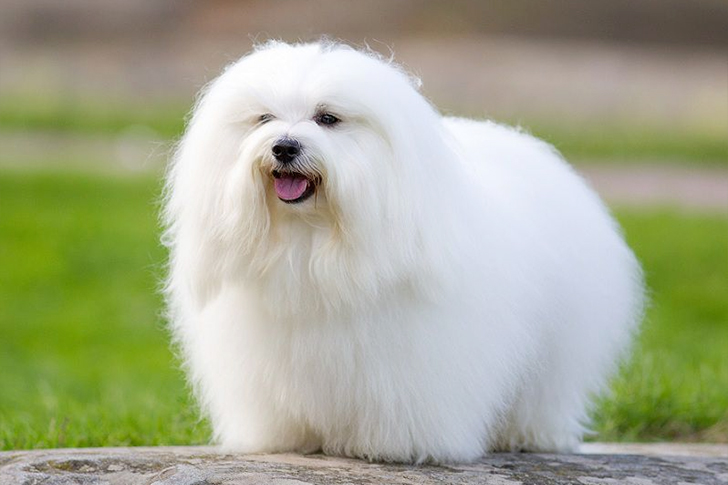
If there were a dog that would easily camouflage with your white carpet or white coat, it would be the Coton de Tulear. They got their name from a city in Madagascar called Tuléar. Many believe the breed was born after a shipwreck caused small white dogs to swim across the Malagasy channel.
They often have an all-white coat that looks like cotton, but some get tri-colors, black, or gray markings. You'd love to hug the Coton de Tulear because of their soft coat and their expressive eyes. They won't make a mess even if they hop on your furniture because they're a non-shedding breed.
Dandie Dinmont Terrier
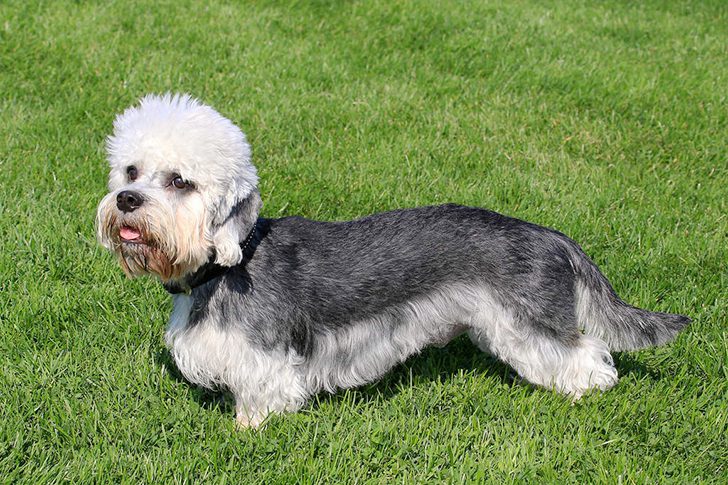
The Dandie Dinmont Terrier, which belongs to the terrier family, is overloaded with cuteness because of its short legs and long body. They mingle well with kids since they are friendly, but also have a tough side that comes out at times.
It would be best if you had them get checkups from time to time because their breed has a high possibility of getting canine cancer. The Dandie Dinmont Terrier is named after a character from the novel "Guy Mannering" by Sir Walter Scott. This dog has a low rate of annual puppy registration, so The Kennel Club listed them as a Vulnerable Native Breed.
Brussels Griffon
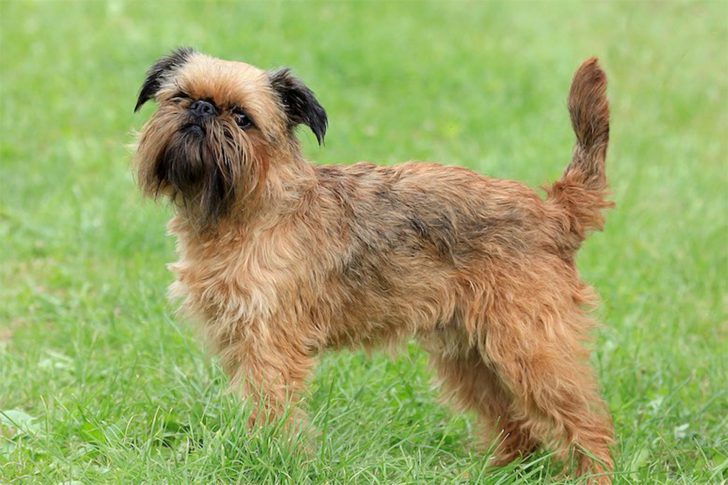
The Brussels Griffon is a toy dog from Brussels, Belgium, hence their name. Sources say they are descendants of the dog breed called Smousje. Belgian people fell in love with the dog during the late nineteenth century, and the first-ever registered one surfaced in 1883.
They either have a smooth or a rough coat. You can treat the dog as your go-to friend because they have huge hearts. They love cuddling with their owners and are emotionally sensitive. Brussels Griffons don't always inherit medical issues, but owners should bring them to the vet and test them for any congenital problems.
Chinese Crested Dog
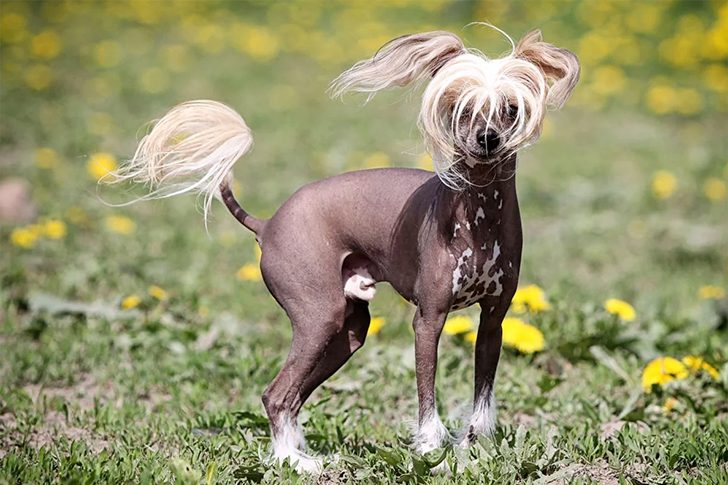
Many of you might recognize the Chinese Crested Dog because the breed appeared in '102 Dalmatians', 'Hotel for Dogs, and 'New York Minute.' They are well-known as hairless dogs, but a breed variant called Powderpuff comes with a long and smooth coat.
The hairless ones have skin similar to a human's, so owners have to exert extra effort for its maintenance. You'd want to buy them hypoallergenic moisturizing cream and sunscreen for toddlers since they can get sunburn, dryness, and acne. The Chinese Crested Dog tends to encounter eye issues, but they're often safe from most congenital diseases.
Pekingese
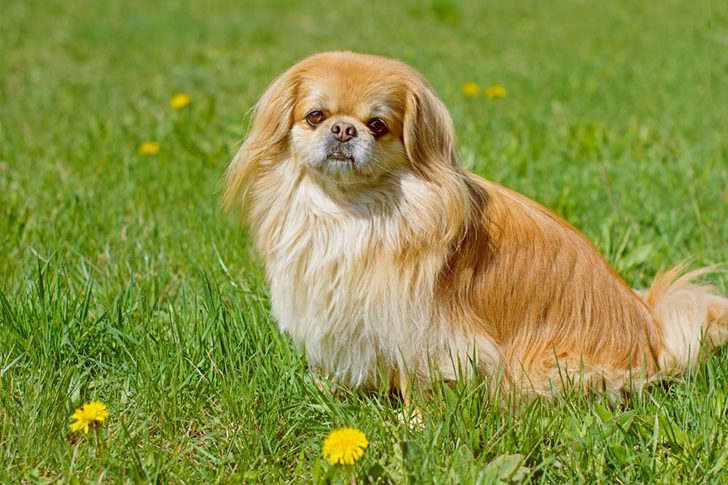
Pekingese is an elite breed of dogs from China because the royals from the Chinese Imperial court often had one by their side. They treated them as a companion or lap dog. They were named after a Chinese city.
Their lifespan is about 11.4 years, and sources say trauma is the no. 1 cause of their untimely deaths. The Pekingese dogs can also develop breathing issues and eye problems at times. They shouldn't be outdoors for an extended amount of time since they have a hard time adapting to cold or hot weather.
Pharaoh Hound
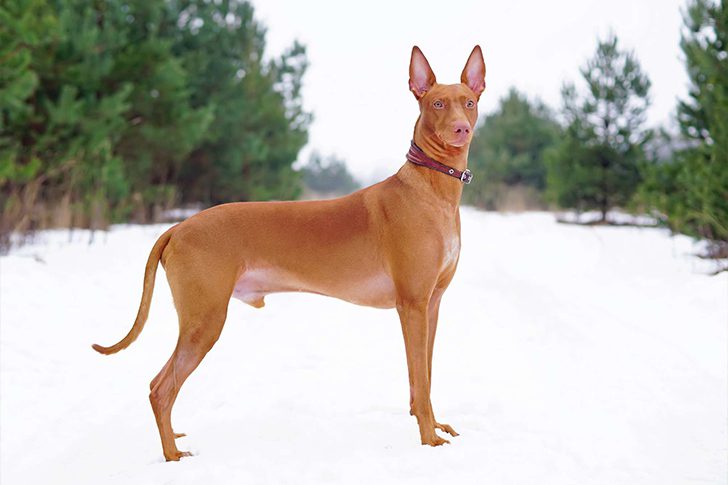
People from Maltese refer to the dog in the photo above as the Kelb tal-Fenek, a.k.a. the rabbit dog, but their more common name is the Pharoah Hound. They might look like a dog of Egyptian Gods, but studies about their DNA suggest that they don't have any ancient origin.
They have a glossy and short coat, and you'd quickly get drawn to their chiseled faces. These dogs also tend to blush whenever they feel happiness or excitement. They are hunting dogs that hunt best during the nighttime, and they can find their prey by simply smelling them.
Salukis
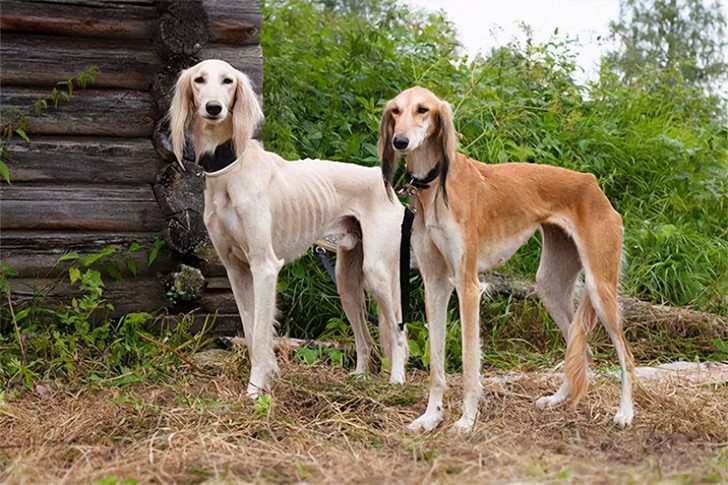
If the Pharaoh Hound hunts by scent, the Saluki hunts using their eyes. Nomadic tribes often owned these dogs, and they used them to go after game animals. They have noticeable long legs and a deep chest. Male Salukis are usually slightly larger than their female counterparts.
They can come in fawn, cream, white, red, black, tan, and even tri-color. These dogs are 100% hunters and are not that friendly around strangers. Dogwalkers have to be careful when taking them out since they can choose not to return to their owners when they break free from their leashes.
Catalburun
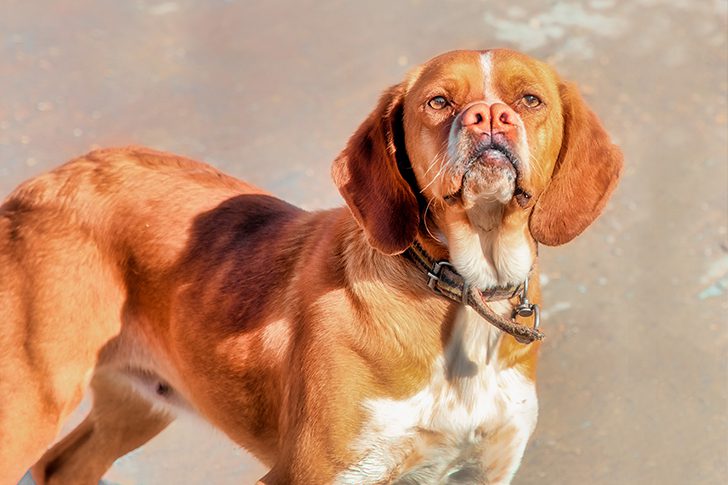
The Catalburun is a pretty rare dog that comes from Turkey. Their noses got genetically deformed due to how people bred them by crossing same-family dogs. Breeders wanted their smelling abilities to stand out so they could make excellent hunters.
They are large and strong dogs with large ears and short tails. You can expect to have minimal maintenance when you own one because of their short hair. The Catalburns don't mingle well with other pets and kids, but they are always loyal to their primary owners. The only time they become good pets is when they get to socialize appropriately as puppies.
Peruvian Inca Orchid
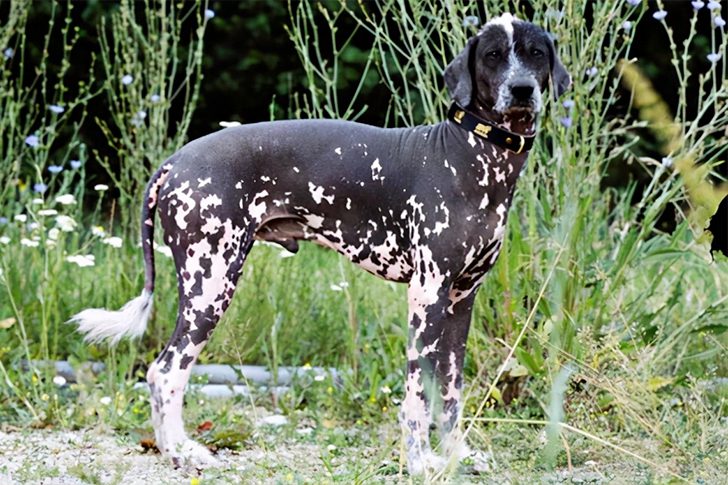
The Peruvian Inca Orchid, also known as the Peruvian Hairless Dog, is a common pet choice in Peru. The country includes them in their cultural heritage, but they aren't allowed to participate in the American Kennel Club shows.
You won't have issues with washing them or even encounter fleas since they're hairless. They also don't have the typical dog dander, so they're great choices for those who are allergic to dogs. Owners should invest in cleaners made for a baby, moisturizing cream, and lanolin-free lotion to keep their skin healthy.
Bull Terrier
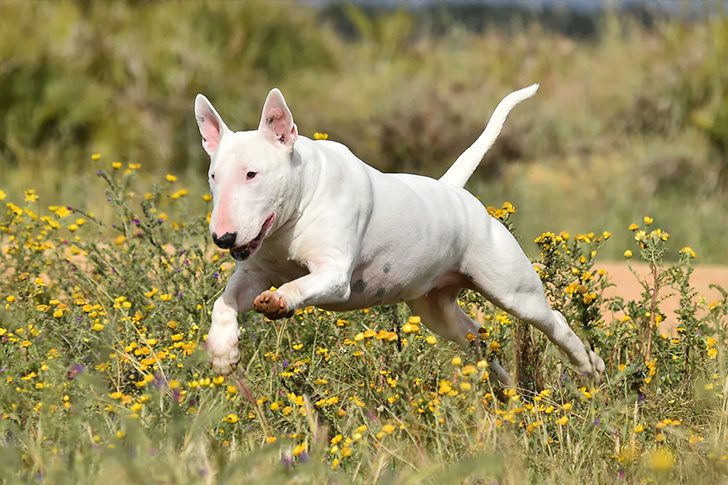
The Bull Terrier is another unique dog breed that became popular over the years because it became the mascot of the Target Corporation. Their egg-shaped head makes them stand out, and they have a solid and deep jaw. They are the only breed that has triangular eyes.
You often see white versions of them, but they can also come in brindle, black, red, and fawn. They're good with children and adults, but they can get stubborn at times. About 20.4% of Bull Terriers that are all-white can encounter health issues like deafness. They also tend to get skin allergies, for they don't react well to insect bites.
Australian Stumpy Tail Cattle Dog
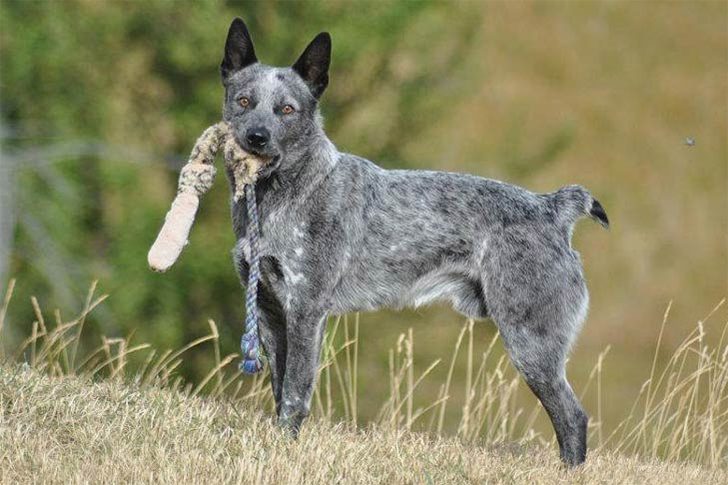
Australians got extra help in herding cattle thanks to the Stumpy Tail Cattle Dog. You can differentiate them from other breeds because of the undocked short tail. Their coats also come in two colors, either speckled blue or speckled red.
They respond well to their owners but tend to be more reserved once they're around strangers. As soon as you buy a puppy, it would be best to train them and make them socialize with people. They have impressive herding instincts, performing well in obedience, agility, and showmanship tests.
Alaskan Klee Kai
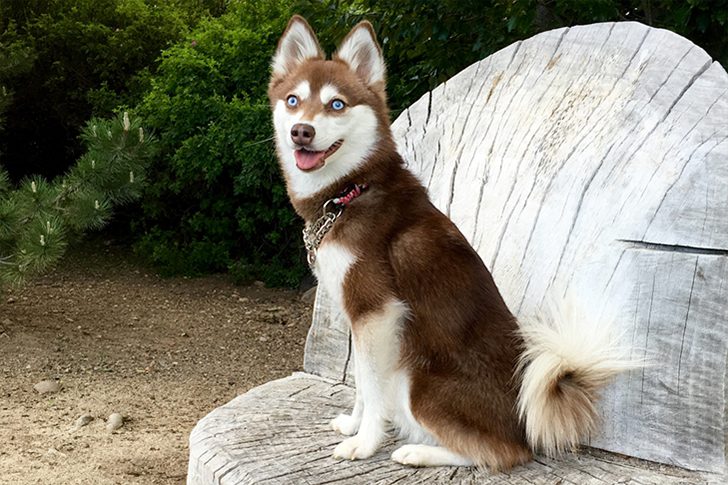
The Alaskan Klee Kais are somewhat recognizable because they look like a miniature version of the Siberian Husky or Alaskan Husky. Although they are stubborn at times, people consider them to be pretty intelligent dogs. They can jump high because of their thick bones and agility.
The Klee Kai you see above is the red and white version, but some variants are all white, gray and white, and black and white. These dogs aren't always healthy; they can get heart problems, liver disease, juvenile cataracts, and factor VII deficiency.
Borzoi
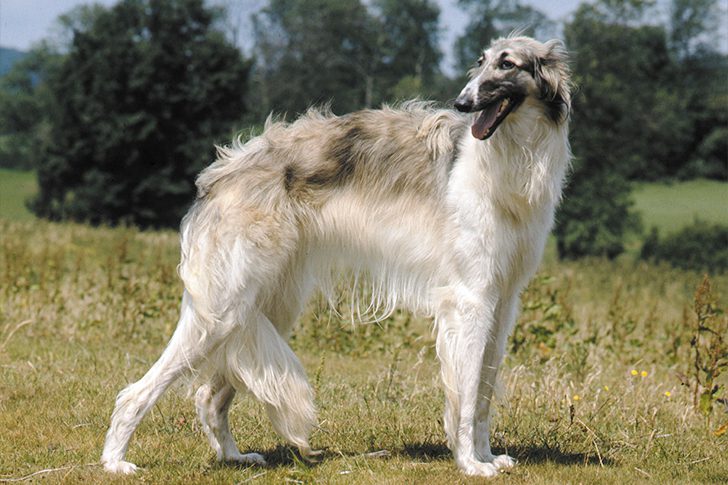
The Russian Hunting Sighthound or the Borzoi is a domestic dog that is great at hunting. Sources say they are the descendants of the working dogs of Central Asian migrants that fled to Russia during the 17th century.
Their coats are wavy, flat, and silky. When the weather gets cold, their undercoat thickens, but they end up shedding once the weather turns hot. You can't treat them as the security guard of your property since their territorial drive is weak. They don't jive well with people they don't know, but are the most affectionate with their owners.
Azawakh
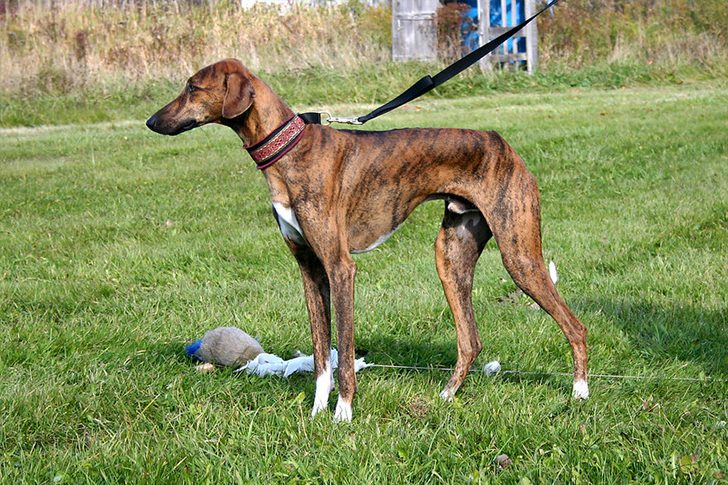
The West African dog breed called Azawakh comes with ancient origins. People raised them at the Sahelian zones of Burkina Faso, Mali, and Niger. You can see all their muscles showing through their skin, and it's probably because of all the regular workouts they need.
Their bones are strong, and you can expect them to heal quickly if ever they get injured. There are rare occasions when the Azawakh develop Wobbler disease or idiopathic epilepsy. This dog breed tends to be emotional and social, and they love being around other Azawakhs.
Otterhound
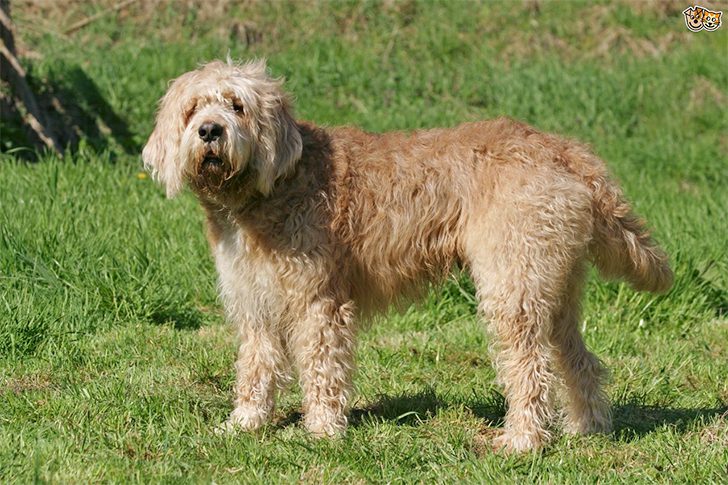
There are only about 600 Otterhounds across the globe, so they got labeled as a Vulnerable Native Breed by the Kennel Club. The dog breed first surfaced in the nineteenth century in the North-West area of England. Breeders intended for them to be hunters, and they could go after animals both on water and land.
Their sensitive noses allow them to excel in investigating different scents. One Ottherhound lived up to sixteen years in the past, but their average lifespan is ten years. They can spend hours relaxing, but they also like getting exercise.
Old English Sheepdog
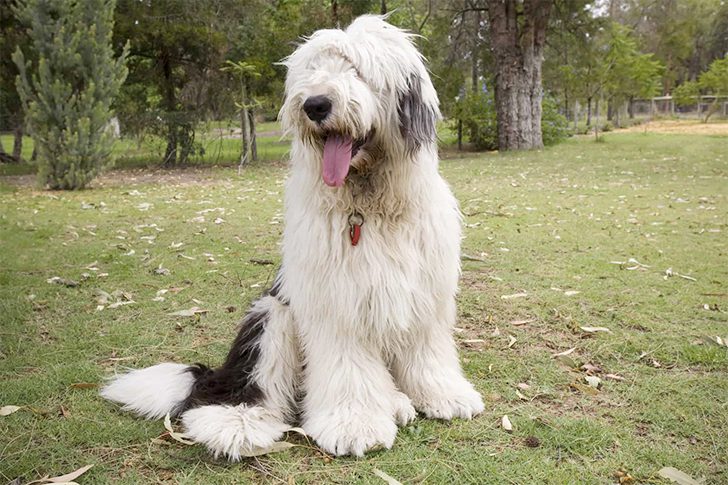
The Old English Sheepdogs are adorable dogs to look at because of their long coats. Their hair grows so long that it covers their eyes and face. They won't shed all over the place, but they'll have noticeable shedding whenever you brush them.
They can live up to fifteen years, and since they have a thick and full coat, they can suffer a heat stroke. It's also possible for them to get cancer, deafness, cataracts, and hip dysplasia. You can train them to live peacefully in an urban setting, but they enjoy living on a farm more.
Field Spaniel
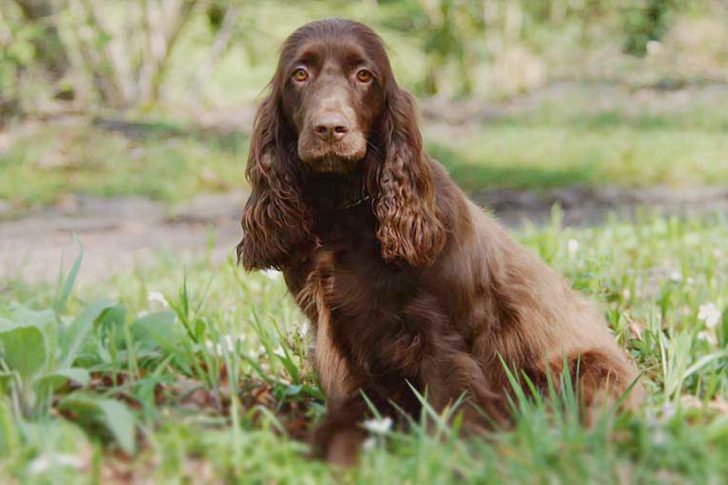
During the late nineteenth century until the early twentieth century, breeders intended the Field Spaniel to be a show dog. Things changed in the mid-twentieth century because people started using them for fieldwork. Unlike other spaniels, they don't have any undercoats.
You can keep them as a family pet because they are friendly and patient with children. They don't do well when they're alone, so they could mess up your living space if you leave them at home for long hours. Old age and cancer were among the most common reasons why a Field Spaniel passes away.
English Foxhound
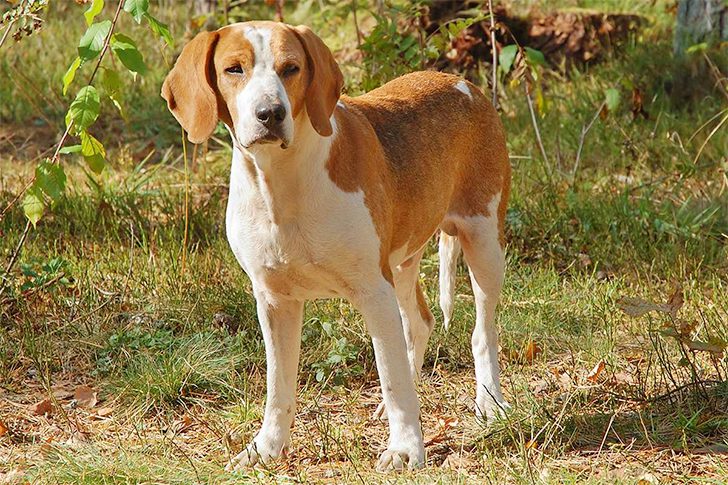
The primary purpose English Foxhounds originally had from the start was to hunt foxes. They could run after them for long hours because of their strong stamina. These dogs love being around humans and other pets because they a friendly and gentle pack hounds.
They have thick skulls, muscular legs, and their round paws are somewhat similar to a cat's. You'll often see English Foxhounds that are red, tan, or tricolor. They don't usually go through medical issues, but there's still a chance they could develop epilepsy, renal disease, and chronic hip dysplasia.
Norwegian Lundehund
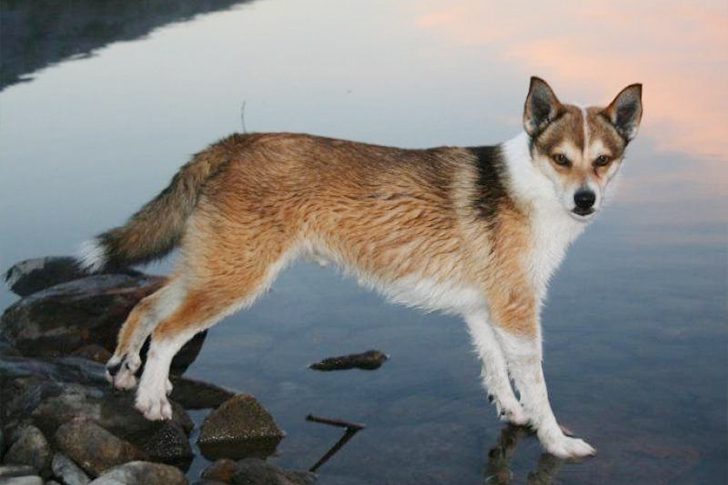
Norway's Norwegian Lundehund dog breed is a type of Splitz dog. It can easily maneuver into tight places because of its joints' range of motion. People initially used them for hunting puffins and their eggs, for they could find them in hard-to-reach nests in caves or on cliffs.
These dogs have a soft undercoat and a rough outercoat. They have issues with their diet at times, failing to absorb the nutrients from their meals. Although there's no cure for such an illness, it's still manageable. The Norwegian Air Traffic and Airport Management used the Lundehunds to track any bird eggs within the airport.
Irish Wolfhound
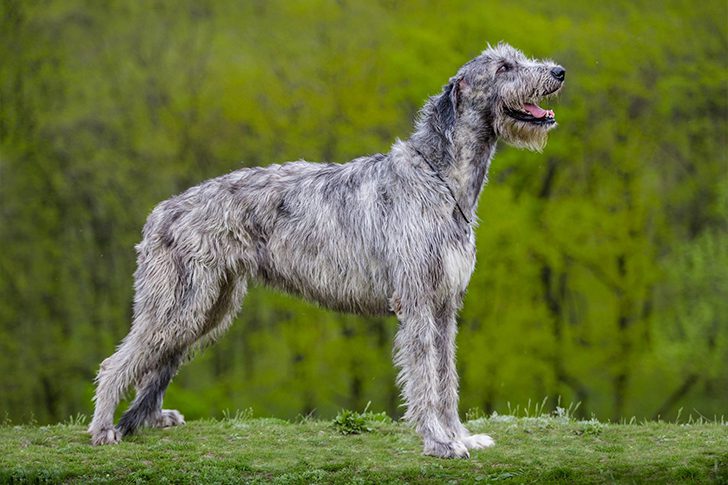
The Irish Wolfhound is well-known for its height, and many saw them as a perfect guardian dog. They could protect people from wolves and even hunt them. They are taller than Great Danes, and even if they're the tallest among the dog breeds, they aren't the heaviest.
They can come in colors like black, grey, white, red, brindle, wheaten, and fawn. Even if they are big dogs, they won't wreak havoc in your house unless you leave them alone for a long time. Irish Wolfhounds, like most large dogs, have a short life span averaging at seven years. Their leading cause of death is bone cancer and dilated cardiomyopathy.
Xoloitzcuintli
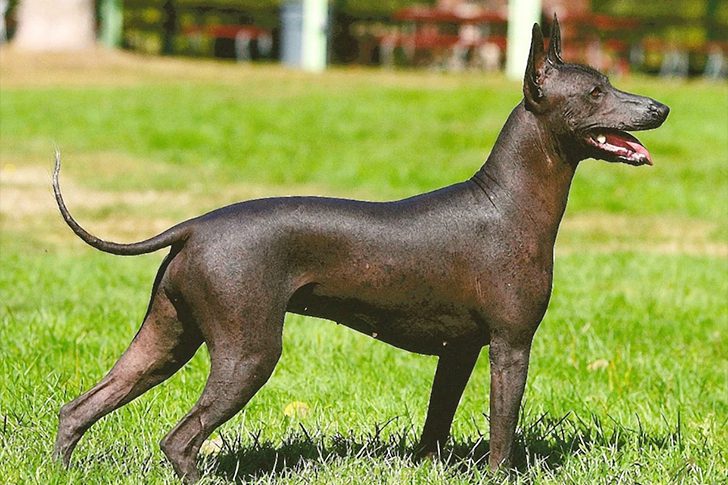
The Xoloitzcuintle is among the hairless dog breeds. It originates from Mexico, and its recognizable features are its dental abnormalities, wrinkles, and duality. The dog got its name from the Aztec mythology god, Xolotl. The smallest ones are about nine inches, but others grow up to 26 inches tall.
When a mother gives birth, there's a chance that some of the puppies in the litter will have a coat. These dogs have a high intellect and are full of energy. They have superb social instructs and hunting skills. If the Xoloitzcuintle doesn't get enough supervision, they can develop issues with their behavior.
Chow Chow
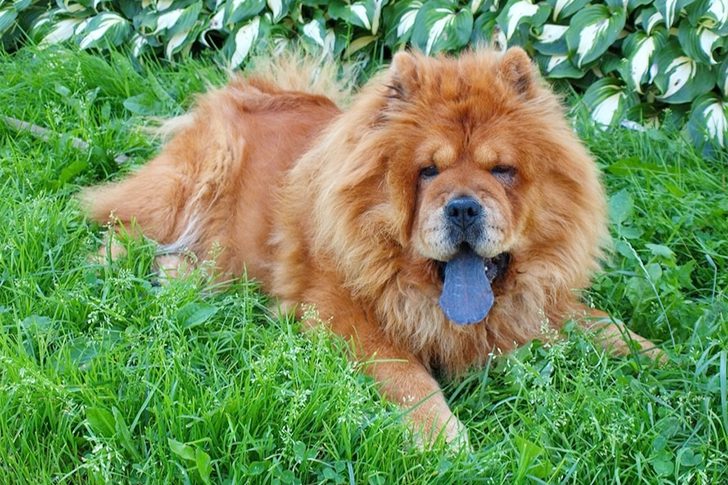
Because of how cute the Chow Chow is, you would see many people keeping them as pets. Their fur is thick, making them look like fluffy teddy bears. Their tongues are often colored purple or blue-black. They are not active dogs, but they will still need to exercise every day.
They tend to form excellent bonds with people, but they're most protective of one or two of the primary owners. Chow Chows are stubborn at times, so it could get challenging to train them. Sadly, the dog breed has a high probability of getting skin melanoma or an autoimmune disease.
Löwchen
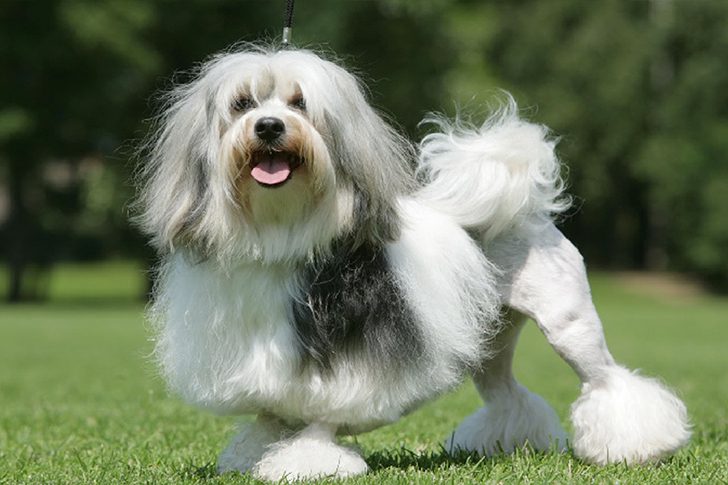
The Löwchen is a rare dog breed that people also call the Little Lion Dog. Each year, the new registrations for the dog only reach a few hundred. They have a straight coat that has waves here and there. Their eyes are round and lively, and their muzzles are wide.
You might see some with shaved areas in their body, and it's because many owners opt for their dog to get a lion cut. Their intelligence and social skills allow them to make great family pets. Their health remains intact for most of their lives, but annual patella evaluation, hip conformation evaluations, and eye exams are advisable.
Swedish Vallhund
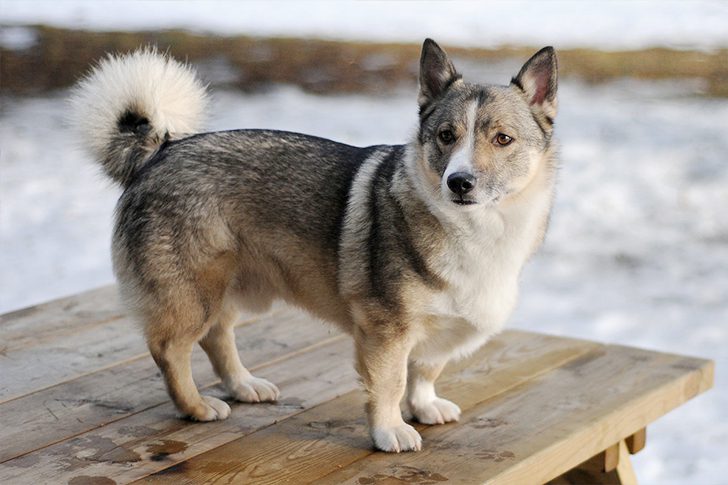
During the early '40s, the Swedish Vallhunds almost went extinct, but things changed thanks to proper publicity and breeding. They originated from Sweden, and their name translates to "herding dog" in English. Some variants have no tail, but others come with a full-length tail.
Their topcoats are tight, while their undercoats are more dense and soft. The Swedish Vallhungs can pass tests involving obedience, agility, herding, and showmanship with flying colors. Thanks to their compact physique, their lifespan tens to be longer, with an average of 15 years. Their short ears also allow them to stay away from any ear issues.
Finnish Spitz
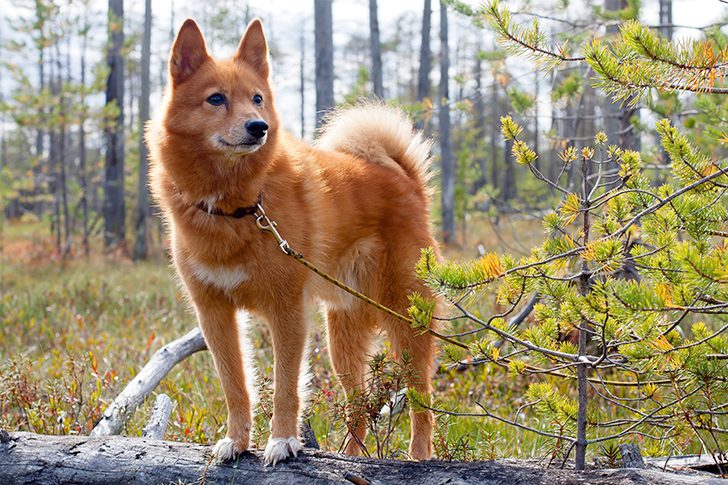
Hailing from Finland, the Finnish Spitz is a dog that people used to hunt different games like rodents and squirrels. They didn't only have eyes for small animals, for they could even hunt bears. Their barking capabilities are what helps them point out their prey.
These dogs are still overall friendly, and love children. They can socialize well with other dogs, but you have to keep them away from smaller animals. You need to be gentle when you train them because they don't like harsh methods. Some of the medical issues they can develop are epilepsy, elbow dysplasia, hip dysplasia, and patellar luxation.
Chinook
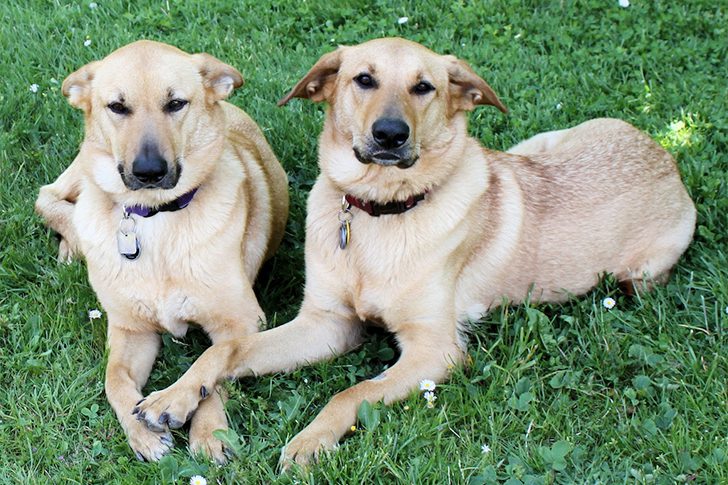
The official state dog of New Hampshire is the Chinook. They are playful and affectionate, so you wouldn't regret making them your family pet. These dogs react well to training, and they love the company of other dogs. The breed's primary ancestor was Arthur Treadwell Walden's Chinook, who was born in 1917.
Chinook is a sled dog, so many owners used them for sledding back in the day. People still use them for this purpose today, but most owners prefer to keep that as family pets. They could also do well in skijoring, search and rescue, and dog-packing.
Lagotto Romagnolo

The Lagotto Romagnolo, whose name means "water dog," are gun dogs with an Italian origin. They are water retrievers that can bring back an animal to a hunter without killing them. This dog breed comes with a rustic appearance, and they have a strong bone structure.
They have a wool-like coat, for their hair is tightly curled. The Lagotto Romagnolo is often off-white, solid brown, or solid orange. They can have brown or orange patches as well. Their lifespans average 15 years, and such a breed can develop idiopathic epilepsy and cerebellar abiotrophy.
Stabyhoun
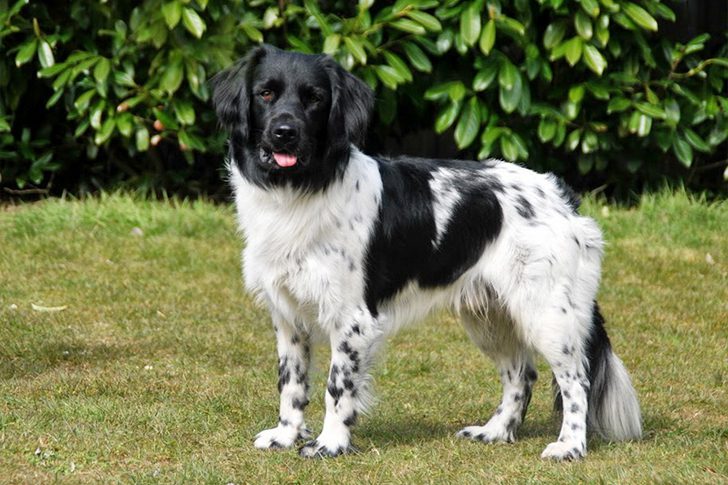
As you may have already noticed, there are many unique dog breeds, but one of the top five rare ones is the Stabyhoun. They originated from Friesland, and mentions of them surfaced in Dutch literature as early as the 1800s. These adorable dogs are a national treasure in the Netherlands, and about a few thousand are alive today.
Most of them have a black-and-white color, but some are orange and white and brown and white. The Stabyhoun isn't a high-maintenance breed, but they still need to get brushed from time to time. They can live up to fifteen years with proper care, eating habits, and fitness routine.